 In this post, we delve deeper into identifying your target market and crucially, how to find the right people to submit your music to. This step is critical in bridging the gap between creating music and successfully licensing it. Let's explore how to pinpoint where your music fits and how to get it into the right hands.
Target Markets: Where Does Your Music Fit? TV Shows: Analyze different TV genres and their musical needs. For example, a reality show might need upbeat, energetic tracks, while a drama series may require more emotive, subtle scoring. Research current popular shows and identify the music supervisors or production companies behind them. Films: Each film genre has its unique musical requirements. Investigate upcoming film projects and the studios producing them. Pay attention to indie film festivals as they are often more accessible for emerging artists. Commercials: Ads require music that aligns with the brand's identity. Research advertising agencies and the brands they represent. Look for ads that use music similar to yours for a better fit. Emerging Media Platforms: Web series, podcasts, and online content creators frequently look for fresh music. Identify popular content in these categories and note the production teams or channels hosting them. Understanding Different Genres and Themes Genre-Specific Targeting: Your music genre can often dictate your primary targets. For instance, classical or instrumental pieces might be more suitable for film scores, while pop and rock tracks might find a better home in TV shows or commercials. Thematic Alignment: Assess the mood and themes your music conveys. Does it fit better with action-packed sequences, emotional scenes, or lighthearted moments? This can guide you to the right type of content. Cultural and Demographic Reach: Your music might resonate more with certain cultural groups or age demographics. This understanding can help in targeting content that caters to these audiences. Finding the Right Contacts and Submission Tips Researching Music Supervisors and Producers Music Supervisors: These are the key figures in selecting music for TV, films, and ads. Use industry directories, LinkedIn, and credits in media to find their contact information. Production Companies: Especially for films and TV shows, reaching out to production companies can be beneficial. Websites, trade publications, and film credits are good resources. Networking and Industry Events: Attend film festivals, music conferences, and industry meetups. Networking can lead to direct introductions and valuable contacts. Join online forums and social media groups dedicated to music licensing and media production. Utilizing Online Databases and Platforms: Several online platforms and databases list contact information for music supervisors and production companies. Subscription services like IMDbPro are a good resource. HTLYM Premium also offers an updated directory of contact information for those working in sync licensing. Learn more. Preparing Your Submission Ensure your music is professionally recorded and mastered. Create a compelling and concise pitch, highlighting why your music is a fit for their content. Include links to your music (preferably hosted on professional platforms) rather than attaching large files. Follow-Up and Professionalism: After submitting, a polite follow-up email can be effective. However, avoid being overly persistent. One follow up email, several weeks after your initial submission, is usually sufficient. Maintain professionalism in all communications. First impressions are crucial in this industry. Conclusion Successfully licensing your music involves not just creating great content but also strategically identifying and reaching out to the right people in your target market. This module has equipped you with the knowledge to find these contacts and effectively present your music for potential licensing opportunities.
0 Comments
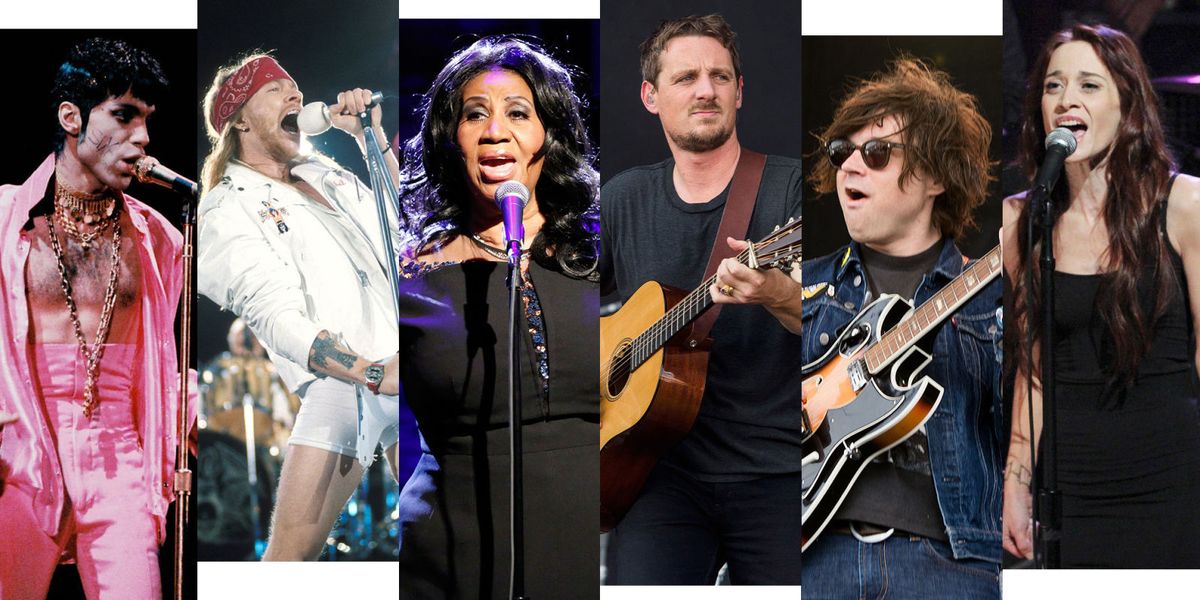 The digital era has opened numerous doors for artists to showcase their talent, and releasing cover songs is a great way to bring more exposure to your skills and your brand. However, as exciting as it may be to share your rendition of a popular track, it's crucial to understand the legalities involved in covering and streaming songs. This post aims to guide artists through the process of legally licensing and streaming cover songs.
Understanding Copyright Laws First and foremost, it's important to grasp the basics of copyright law. The original creator of a song holds the copyright, which includes exclusive rights to reproduce, distribute, and perform the song. When you cover a song, you're essentially reproducing and performing someone else's copyrighted work, which requires permission. Obtaining Mechanical Licenses To legally release a cover song, you need a mechanical license. This license allows you to record and distribute your version of the song. In the U.S., mechanical licenses are typically obtained through agencies like The Harry Fox Agency (HFA), Music Reports Inc, Easysong.com, or through the song's publisher directly. These agencies handle the paperwork and ensure royalties are paid to the original songwriters and publishers. Digital vs. Physical Releases The process differs slightly for digital and physical releases. For digital releases (like streaming on Spotify or Apple Music), services often secure mechanical licenses on behalf of artists. However, for physical releases (like CDs or vinyl), you must obtain the license yourself. Performance Rights and Streaming Streaming a cover song live (like on YouTube, Twitch, or Facebook Live) involves performance rights. This is usually managed by the platform you're streaming on, as they typically have blanket licenses with Performance Rights Organizations (PROs) like ASCAP, BMI, or SESAC in the U.S. Always check the platform's policies to ensure compliance. Sync Licensing for Videos If you're creating a music video for your cover, you'll need a synchronization (sync) license in addition to a mechanical license. Sync licenses are obtained from the copyright holder and give you the right to sync their music with your video content. (Again, websites like easysong.com can facilitate this process.) Royalty Payments and Reporting When you stream or sell your cover song, you owe royalties to the original songwriter. Through your mechanical license, these royalties are typically calculated and distributed by the licensing agency. Ensure you report your sales and streams accurately to avoid legal complications. Best Practices
Conclusion Covering and streaming songs is a fantastic way for artists to connect with their audience and pay homage to their musical influences. By understanding and adhering to the legal aspects of licensing, you protect not only yourself but also respect the rights of the original creators. Happy covering!  I’m putting the finishing touches on my latest course, “The Complete Musician’s Guide To Making Money With AI”. The full video course will be released on Monday, January 15. Pre-Order the course between now and Sunday, January 14 and save 50% off the full price. You’ll get access to the eBook that is included in the course immediately and get full access to the vide course when it’s released on Monday. Why I’m Excited About AI As A Musician One of the most exciting aspects of creating this course was spending time with a lot of different AI tools that are on the market and exploring new ways to create, produce music and market music. As a musician, I’m really excited about the advent of AI technology, for a number of reasons. Although, ironically, none of them have to do with AI music creation. I’m sure the technology will progress, but at this point, the aspect of AI I’m the least excited about as a musician is generating music with AI. So far, the tools I’ve explored and tried that generate music using AI, just aren’t that impressive. At this point, when it comes to my music, I’m only using AI tools to assist with things like music production and music marketing. Perhaps as the technology evolves, I will incorporate more AI elements into my actual music. But for now at least, I’m simply using AI to assist me with other aspects of releasing music. In this post I’ll discuss two AI driven tools that I’m currently using that are proving to be powerful allies in creating and releasing music more efficiently. A Song A Week This year, one of my goals related to music, is to write, record and release one new song a week. This is a goal that I previously wouldn’t have been able to pull off. But thanks to several different AI driven tools, as well as progress I’ve made in terms of learning how to produce my music better, I can now see a viable path forward. One of my biggest sources of frustration as a musician and creative, has been my inability to produce music as quickly as I’d like, at a quality level I’m happy with. I’ve always had this sense that I have way more music inside me than I’m able to release, both for things like licensing opportunities, and just in general. I make music because I have a deep desire to create. It’s the best way I know how to explain what drives me as a musician. I simply love the process of writing and creating music and it’s one of the few passions that I’ve been able to maintain throughout my adult life. In fact, this desire has only grown stronger. But there have been times where I’ve felt very stifled and held back as a musician. For example, I would write a song I really loved, but then struggle to get it recorded quickly. Or I’d manage to get a song produced that I really loved and felt excited about, but I didn’t have a budget to shoot a music video or a budget to promote the song effectively. And so on… I’m sure most musicians can relate to this sense of frustration. This year, I’m approaching things differently, and I’m pro-actively looking for solutions. Instead of just banging my head against the wall and getting frustrated, I’m finding ways over or around the obstacles that present themselves. I see AI technology as an ally in this mission. Two Powerful AI Tools For Musicians Ok, with that out of the way, let’s discuss two specific AI tools that you can use as a musician. These are tools that I’m using for my song a week project and I’ve been really happy with the results I’m getting so far. My first song of the year, a song I wrote on New Year’s Day, is called “Stranger In This Place”. I wrote the song on New Year’s Day, and then I spent the rest of last week recording and mixing the track. I was able to finish a mix that I feel is “Youtube ready” and create a music video for the track by Sunday. One song down, 51 to go! The Tools I Used… Landr For this song, I used Reaper to record and mix the track, and then when I had a mix that I liked, I used Landr, an AI driven mastering tool, to master the track. I’ve been using Landr a lot the last few weeks and I’m really pleased with the results I’ve been getting with their service. I mentioned Landr in a previous email and I’m going to be doing a podcast soon with their director of product development. Learn more about Landr here. Runway ML I used an AI “text to video” program called Runway ML, to generate the music video. Runway ML allows you to generate video clips, using “text to video” prompts. You simply describe what you’d like each scene to look like and then it creates a video clip based on your prompt. It will also generate previews of each scene, prior to generating each video clip, so that you have an idea of what each scene will look like before you render them. These two tools alone have been a game changer for me. I now have a way to quickly create music videos that are aesthetically pleasing, and with Landr, I have a way to get my mixes sounding even better than I could on my own. Now of course, there is still a lot of work involved and I’ll still have to do more work on the mix before I pitch the track for licensing opportunities. But my goal this year is to grow my social media, and to get more music out into the world that connects with people. Thanks to AI, these goals seem more realistic than ever. Check out my latest song here: Check out Landr here. Check out Runway ML here. Learn more about my new course, “The Complete Musician’s Guide To Making Money With AI” here.  One of the perks of running my website and having a pretty big newsletter and platform, is that from time to time I get free access to different industry tools and resources. The last few months I’ve been putting together a course all about using AI as a musician. During that process, I’ve had the opportunity to check out a lot of different AI tools on the market for musicians. I’ll be discussing a lot of them in my soon to be released video course and website all about how to use AI to make more money as a musician, which I’ll be releasing January 15. But today I have a fun post about an AI driven tool for musicians that is pretty amazing. A few weeks ago, Landr, a company that offers AI driven mastering online, contacted me and offered me free access to their site and tools, if I would consider promoting their service. Now, if you’ve been on my email list for any length of time, you’ll know that I rarely promote other products and services. It’s just not what I do. But I had a chance to sit down yesterday and actually play around with Landr’s mastering tool, and I’m pretty blown away. Now, one caveat, which I want to preface upfront, is that I am not a music producer per se. Yes, I record music and I have a home studio which I use to write and lay down many of the tracks for the songs that I create, which I’ve been doing for many years. But I’ve never really considered production to be my forte and I typically outsource a lot of the production and mastering for the tracks that I license to other producers. I realize there is some controversy when it comes to tools like Landr, and I have no doubt there are mastering engineers out there that can outperform what the Landr tool does. It goes without saying, that in music production, like anything else in life, you get what you pay for. But, with that said, I have ears and I know what sounds good to me, in terms of production and mastering, and for the price, what Landr does is pretty mind blowing! Not all musicians have the budget to hire a professional producer and mastering engineer for every track they produce. A lot of times, probably even the majority of times for indie artists, it’s simply not feasible. Landr seems like a great alternative for these situations. I’m going to share with you a few of my own tracks that I mastered yesterday. All I did, for all three tracks below, is simply upload my tracks to Landr and in about two to three minutes each track was fully mastered, with several different options in terms of volume and mastering style. The first track I’m going to show you is a demo for a track that I wrote the day before yesterday. Now, I want to stress that this is a really rough demo, and a far from finished track. But I’m showing you this one first so you can really hear the difference with a track that sounded pretty rough to start with. This will also give you a little insight into my writing and recording process. What I will typically do when I’m writing a song, especially if I’m really feeling it, is just start making a demo right away. The first demo is usually pretty rough, as I’m just trying to get my idea down and I’m not really concerned about performance or nailing the takes and so on. In this initial stage, I’m just fleshing the track out. Sometimes, during this stage, I’ll even record with fans on and noise in the background. I’m just getting my ideas down with no concern for sonic quality. Then, when the song is finished, I’ll go back and re-record each track from the initial session, paying more attention to performance, the quality of the recording, noise issues, timing and so forth. Then, depending on the track, I might simply send the stems to one of several producers I work with and have them finish the track from there. Or, I might have one of a few different collaborators add parts to the track, or in some cases I’ll have a different vocalist re-record my vocals, if it’s not quite the right fit for my vocal range. Every track is different and it’s ultimately about serving the song. This particular song was just me laying my ideas down. I started the process of cleaning up the tracks and the timing on some of the guitar takes, but again, it’s rough and raw, even though the arrangement and vision for the song is pretty much finished. Here’s my unmastered demo (mp3 version): Now, check out the mastered version that Landr created (mp3 version). I want to stress, I didn’t do anything else to the track but master it using Landr, which again, took about two minutes to process. Now, again, I’m not an expert on mastering, but that sounds night and day to me. The individual parts are much easier to discern. It’s not just louder, but it’s also brighter. The drums are crisp. I can actually hear what I’m getting at with the song and can better imagine what the finished version will sound like. And again, this was just a demo, but it’s a pretty remarkable difference to my ears. By the way, this particular track is one I’ll likely find a different vocalist to sing. If you’re a vocalist and would like to take a stab at the vocals, comment below! Next, let's check out a track that was a little more fully produced, but still not finished. This is a track I recorded last year called "And The World Just Turns". This is a track that I started working on but never finished. Sometimes this will happen. I'll start a track and for whatever reason something about it doesn't quite sit right with me and so I don't take the time to completely finish it. It takes considerable time and energy to complete a track so if I'm not completely feeling it, I will sometimes move onto other tracks that I'm more inspired by. Anyway, let's hear the before and after. Here's the original version (mp3): Here's the Landr Mastered Version (mp3). Again, it's a pretty huge difference. The mastered version is much clearer and brighter. Ok, finally, let's do one more. This track is called "Light Ahead" that I did a few years ago with my friend MJ, in his home studio. We already did some mastering to this track, but I wanted to try this one to see how much of a difference Landr would make. Here's our version (mp3): Here's Landr's mastered version (mp3): Now, one caveat about the last two tracks. These tracks were both tracks that I had on my Youtube channel, but didn't have quick access to the masters. So what I did was I downloaded the mp4 from Youtube, converted that to mp3, and then mastered the converted mp3.
There was obviously some degradation in quality in going from mp4 and then back to mp3, but what you are hearing is the mastered mp3 version of the mp3 I uploaded To Landr, which in a way makes what Landr does that much more impressive. Landr does a remarkable job both in boosting the volume and cleaning up the EQ of the low quality mp3s I uploaded. Again, I'm not a producer, but I have ears, and in my opinion Landr is an amazing mastering tool for the money. Learn more about Landr and get 20% off the regular price here. For more information on my upcoming course, "The Complete Musician's Guide To Making Money With AI", go here. Just a quick reminder that December 26 is the deadline for the early bird registration for my upcoming mentorship program, "The Sync Tank", that launches on January 8. Sign up by December 26 and save 100 dollars off the full price. “The Sync Tank”, includes extensive one on one coaching, with training and leads specifically tailored to your music and your situation. You won't find this sort of customized training on how to license your music anywhere else. There are limited spots available. Learn more: https://www.htlympremium.com/sync_tank.html Creating a successful career in music often requires more than just talent and passion; it involves understanding the industry from different perspectives. For musicians looking to enter the world of sync licensing, a vital piece of advice is to think like a music supervisor. This approach is not just about making music that resonates with audiences but also about understanding how your music fits within various contexts where it can be licensed.
In today’s post, let’s dive deeper into this concept. Understanding the Role of a Music Supervisor A music supervisor is responsible for selecting and licensing music for various media, including films, TV shows, advertisements, video games, and more. Their primary goal is to find music that enhances the narrative, emotion, or branding of the project they are working on. This requires a deep understanding of how music can influence an audience’s perception and experience. Music supervisors look for tracks that complement and elevate the visual content. This can range from finding a song that perfectly encapsulates the mood of a scene in a movie, to choosing a track that aligns with the brand identity for an advertisement. When you’re writing music specifically for sync licensing, consider how your music can be used in different settings. Is your song suitable for a dramatic movie scene, a light-hearted commercial, or a suspenseful moment in a video game? My first publisher, who was also my former songwriting teacher at Berklee, used to ask me a really simple question whenever I would send her tracks, which was simply, “Where do you see this song being used?”. At first this question would throw me off. I was thinking to myself, I don’t know, you’re the publisher, where do you see this song being used. But I eventually realized, what she was really trying to do was to get me to think more about how and where my tracks could be potentially used, so that I would write and create tracks that had the best chance of being synced. She was encouraging me to think like a music supervisor. Of course, you don’t always know in advance where or how your songs will be used when you write them, since it’s possible anticipate all the different projects your song could potentially be used in. But if you’re writing specifically for sync, it’s helpful to think in these terms. By anticipating what types of projects your music could potentially fit in, it will help you create tracks with better odds of actually being licensed. Crafting Versatile and Thematically Relevant Music You should aim to create versatile music that can fit into various themes and contexts. While it’s important to maintain your unique sound and style, consider incorporating elements that make your music adaptable to different scenarios. For instance, a song about universal themes like love, adventure, or struggle can be more easily placed than one with very niche or specific themes. A great exercise, and one that I suggest anyone interested in writing for sync do on a regular basis, is to simply start paying attention to the music that is used in tv shows and movies that you watch. When you start to actively pay attention to what types of songs are used in different scenes and different contexts, you’ll develop a better sense of how music supervisors select music for their projects. Building Relationships and Networking Understanding the music supervisor’s needs also involves building relationships within the industry. Networking with music supervisors, attending industry events, and staying informed about current trends can provide insights into what supervisors are looking for and how to pitch your music effectively. As I’ve often discussed in my blogs and videos over the years, my first music publisher for Sync was my songwriting teacher at Berklee. Although I didn’t actually license any music through her until about 7 years after I finished Berklee, the fact that I knew her made it much easier to get her to check out my music and work with me. You of course don’t need to personally know everyone you work with in the business, but it helps to form personal relationships when possible. As humans, we’re simply naturally inclined to want to work with and help people we know. Research and Customization in Pitching When pitching your music, do your research. Tailor your pitches to the specific needs and preferences of the music supervisor you’re contacting. Demonstrate how your music can solve a problem or enhance their project. Personalized pitches show that you’ve put thought into how your music fits their specific needs. Staying True to Your Artistic Identity While adapting to the needs of the industry is important, it’s equally important to stay true to your artistic identity. Your unique voice and style are what will make your music stand out. Balancing commercial appeal with artistic integrity is key. Conclusion Thinking like a music supervisor when entering the world of sync licensing is a strategic approach for musicians. It requires understanding the role of music in various media, creating versatile and high-quality music, effective networking and pitching, and balancing commercial needs with artistic integrity. By adopting this mindset, you will greatly increase your odds of getting your music licensed. The music licensing business, like any other business, is ultimately about understanding and serving the needs of your clients. So be sure to take the time to really understand the business and craft music that will work in a variety of contexts and settings. Warm Regards, Aaron Davison 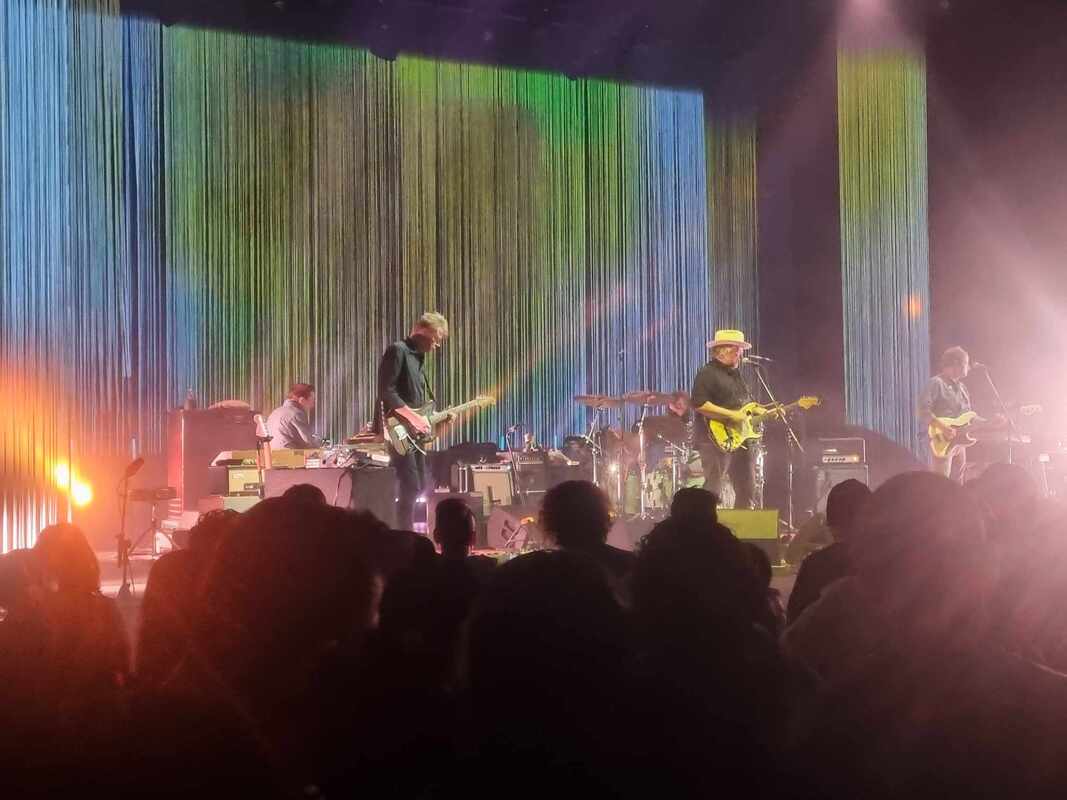 Wilco In Guadalajara, Mexico. 12.8.23 Ok, now that the pre-launch for my new course on AI for musicians is out of the way. I thought I’d shift gears and write a blog post more focused on the human side of making music and the music business. Last Friday I saw the band Wilco in Guadalajara, Mexico. Wilco, in case you’re not familiar with the band, is a band from Chicago, where I’m from, that was founded in 1993. I’ve been spending a lot of time in Puerto Vallarta, Mexico these days and Guadalajara is about a four-hour drive north of Puerto Vallarta so when I saw they were playing nearby I told my girlfriend, who had never heard of Wilco, we have to go. I spent the next week bringing her up to speed on all my favorite Wilco songs and she seemed to genuinely like their music. Throughout the week she would send me her favorite Wilco songs as she discovered them. I invited a friend from Portland, who brought his girlfriend along, and the four of us made the trek together to Guadalajara to see Wilco. Seeing Wilco live in Mexico was a really special experience for me for a few different reasons. For one, I simply love Wilco. I discovered them around 2002 when their album Yankee Hotel Foxtrot came out and listened to their music incessantly for several years straight. Yet for some reason, despite them being from Chicago and me living in Chicago, I never saw them live during this time. To get to see them my first time in Mexico was pretty wild. Secondly, seeing them perform for a mainly younger and primarily Mexican audience was pretty surreal. There were probably around 1,500 people in attendance and the crowd seemed to be true Wilco fans that responded enthusiastically to both new and old material. For example, there was a Mexican guy behind me, probably about 25 years old, who sang along, word for word, to every single song of the show. This is the power of music and the internet, that transcends cultures, age and geography. At one point during the show, I turned around, saw this kid singing along, smiling ear to ear, I smiled at him back and we both high fived. No words exchanged. No words needed. About halfway through the show, Jeff Tweedy, Wilco’s lead singer, acknowledged the crowd and said, “Thanks for inviting us Guadalajara. It only took 30 years”. Something about that simple statement struck me as profound. Wilco is a band, that has been together a long time and although they aren’t as commercially successful as say, The Rolling Stones or Taylor Swift, they just keep doing what they do, and slowly over time, they’ve developed a following around the world. This sort of relationship that bands develop with their fans is something AI will never be able to replicate. There’s a lot of concern about the impact AI will have on the music industry, and of course, many other industries. Some of the concerns are well founded. AI will most likely disrupt and transform the music industry, as it will many industries. As always, change is inevitable. AI will definitely change many aspects of the music industry, in ways that I don’t think any of us fully comprehend yet, which is why I'm doing my best to stay on top of AI and how it's transforming the industry. However, I can’t imagine a scenario in which AI will be able to replicate what I witnessed and experienced on Friday night. Live music remains the one aspect of the music industry that technology simply can’t replace. Writing and creating music and then having that music connect with an audience on an emotional level is a distinctly human experience. I actually teared up during one of the songs they performed on Friday, I was so moved. I’ve yet to shed a tear over any AI created art, although some it is pretty cool. Here are a few clips I captured from the show on Friday. Here’s a clip of Wilco’s guitarist, Nels Cline, who by the way is 67 years old (he joined Wilco when he was 49), tearing it up at the end of his solo to their song “Impossible Germany”. I’d like to see AI do this! Next, one of my favorite songs of the night, their beautiful song “Hummingbird”. What a great songwriter and lyricist Jeff Tweedy is! Here are just a few lyrics from this beautiful song. Even if AI could write lyrics like this it would take a human to feel them and relate to them. His goal in life was to be an echo The type of sound that floats around And then back down like a feather But in the deep chrome canyons of the loudest Manhattans No one could hear him Or anything So he slept on a mountain In a sleeping bag underneath the stars He would lie awake and count them And the gray fountain spray of the great Milky Way Would never let him die alone Remember to remember me Standing still in your past Floating fast like a hummingbird As we approach the end of another year, and I approach the milestone of turning 50 years old next year, I find myself reflecting a lot on my relationship with music and its role in my life. Most of the blogs I send out to my subscribers are focused on the more technical aspects of the music business and how to make money licensing music and so on. After all, that is the point of the newsletter and this website, and that is why you subscribed. I aim to provide the type of information you're seeking that will help you reach your goals. But first and foremost, I’m a musician who loves making and playing music. From time to time, I like to send out blogs like this that really illustrate how much I actually love music and making music and what a huge role it plays in my life. These days, I find myself playing more and more live shows and actually enjoying the entire experience more. I've reached a point where I just love playing music for the sheer thrill of playing music and it's a great social outlet for me as well. And if Nels Cline from Wilco can still rock out at 67 years old, then there’s no excuse for me to not keep playing at my age! It's also one of the few straightforward ways left in the music business to make money. I play a gig and I get paid cash at the end of the night. I like the simplicity of it. At this point in my life, I’ve come to two conclusions about music and the music business. One, the music business is much harder than I thought it would be, when I started out so many years ago. And number two, I love music much more than I ever realized, which is why I keep chasing this crazy dream after all these years. I'll leave you with a clip of me playing in a promo video for my new rock/blues guitar duo I've been performing in, with a great local musician here in Puerto Vallarta, Emilio Prado. Happy Holidays!
Aaron Davison 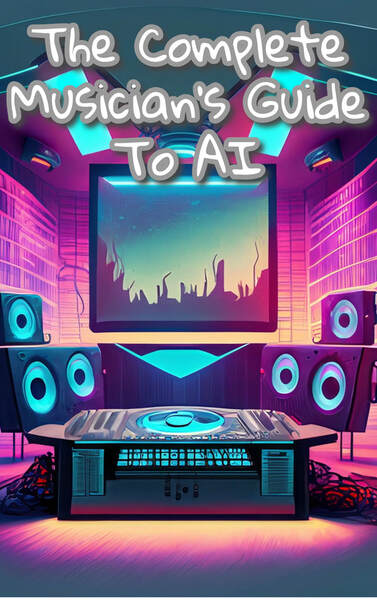 On December 4, I'll be releasing my first new course in several years called, "The Complete Musician's Guide To Making Money With AI". This course has been close to six months in the making and is the longest course I've ever created. The course will be available in both an eBook version and audio/video version. Details coming soon!
As a musician, I have mixed feelings about AI's impact on our industry. While AI does more than just create music, covering areas like production, backing tracks, and more, I believe the essence of music-making remains uniquely human. However, existing AI tools offer significant aid in marketing, promotion, creating music videos, distribution and more. In essence, AI can support musicians at every stage. Those who embrace and understand AI will likely gain a significant advantage in the future. AI is an undeniable part of our industry's landscape and will only become more prevalent going forward. 10 Ways Musicians Can Profit from AI Today The music industry, like many others, is undergoing a revolution, thanks to the advent of Artificial Intelligence (AI). AI isn't just changing how music is produced and consumed; it's opening new avenues for musicians to monetize their craft. In this post, we'll explore ten innovative ways musicians can use AI to enhance their careers and revenue streams. 1. AI-Driven Music Composition AI can assist in composing music by offering fresh melodies and harmonies. An example is Google's Magenta project, which uses AI to create new sounds and tools. Musicians can explore these tools to generate unique compositions, potentially selling them or using them in their own productions. Resource: Magenta Studio 2. Personalized Music Production AI tools can adapt music production to the listener’s preferences. LANDR, for instance, offers AI-powered music mastering, providing customized production tweaks based on genre and style. This can enhance the quality of your music, making it more appealing to a broader audience. Resource: LANDR 3. AI in Music Distribution DistroKid and other AI-driven platforms can help musicians distribute their music efficiently across various streaming platforms. These services use AI to optimize the distribution process, ensuring your music reaches the widest possible audience. Resource: DistroKid 4. AI-Generated Music for Games and Apps The gaming and app industry is booming, and there's a growing demand for original music. AI can help create unique soundtracks tailored to specific scenes or actions in games and apps, opening a new market for musicians. Example: AIVA, an AI music composition software. 5. Enhancing Online Engagement with AI-Powered Analytics For social media and marketing optimization, AI tools like Buffer can be incredibly useful. They analyze social media trends, suggest optimal posting times, and help in content planning to effectively engage with fans. This strategic approach can boost online presence, drive traffic to streaming platforms, and increase merchandise sales. Resource: Buffer 6. AI-Powered Royalty Collection Services like Amuse use AI to track music usage across various platforms and ensure that artists receive the royalties they are due. This can lead to increased revenue from existing tracks. Resource: Amuse 7. Virtual Concerts and Performances Platforms like Wave harness AI to create virtual concerts where artists can perform live in a digital space. This technology allows musicians to reach global audiences without the need for physical travel. Resource: Wave 8. AI for Music Education and Online Courses Musicians can use AI to create personalized online courses or tutorials, offering unique learning experiences to students worldwide. This not only shares your expertise but also creates a new income stream. Example: Yousician, an interactive music service to learn instruments. 9. Enhanced Songwriting with AI AI can provide suggestions for lyrics and song structures, helping artists overcome writer's block. Tools like These Lyrics Do Not Exist generate song lyrics using AI, which can be a starting point for songwriting. Resource: These Lyrics Do Not Exist 10. AI in Merchandising AI can analyze fan preferences and buying patterns, helping musicians design and sell merchandise that resonates with their audience. This personalized approach can significantly boost merchandise sales. Example: Shopify’s AI tools for e-commerce. Conclusion AI is not a distant future technology; it's here now, offering musicians innovative ways to enhance their creativity, reach wider audiences, and open new revenue streams. By embracing AI, you can stay ahead in the ever-evolving music industry. Remember, the effectiveness of these AI tools largely depends on how creatively they are used in conjunction with your unique talents and musical style.  In the complex mosaic that is the modern music industry, understanding entities like SoundExchange is critical for musicians and record labels. As a specialized non-profit performance rights organization, SoundExchange plays a unique and vital role in the digital music world, focusing on collecting and distributing royalties from non-interactive digital platforms such as internet radio, satellite radio, and cable TV music channels.
SoundExchange's Role and Operations SoundExchange's primary function is to ensure that recording artists and record labels are fairly compensated for the use of their music on digital platforms. It collects royalties from services that stream music, serving as a mediator between artists and digital platforms. What sets SoundExchange apart is its distribution formula: 50% of the royalties go to the rights owner (often the record label), 45% to the featured artist, and 5% to non-featured artists, such as session musicians and backup artists. This equitable distribution ensures that all contributing artists are rewarded for their work. The organization uses advanced tracking technology to monitor music plays across various platforms, ensuring accurate and fair payment. This level of detail in tracking is crucial in the digital age, where plays can number in the millions across various services. The Importance of Registering with SoundExchange For artists, registering with SoundExchange is a strategic move. It ensures that they receive compensation for digital performances, and with SoundExchange's international agreements, this extends globally. Beyond the financial aspect, SoundExchange is a strong advocate for artists' rights, offering a network of support and resources. How SoundExchange Differs from PROs The distinction between SoundExchange and Performing Rights Organizations (PROs) like ASCAP or BMI is crucial. SoundExchange focuses exclusively on non-interactive digital platforms where users don't control the song selection, like Pandora or SiriusXM. In contrast, PROs manage royalties for interactive streams, where users choose the songs they play, such as Spotify or Apple Music. This difference is significant because it affects where and how artists receive their digital royalties. SoundExchange fills a gap that PROs don't cover, ensuring artists are compensated for all forms of digital music consumption. Maximizing Earnings and Navigating Challenges To make the most out of SoundExchange, artists should ensure their metadata is accurate. This can significantly impact the royalties they receive. Staying updated with policy changes and new platforms under SoundExchange’s umbrella is also vital. However, artists should understand the limitations of SoundExchange's role. For comprehensive royalty collection, registering with both SoundExchange for non-interactive streams and a PRO for interactive streams is often necessary. Conclusion: SoundExchange in the Digital Music Ecosystem For musicians navigating the complex digital music landscape, SoundExchange is an indispensable partner. By securing fair compensation in a domain increasingly dominated by digital consumption, it not only supports artists financially but also reinforces the value of their creative work. Registering with SoundExchange is more than a procedural step; it's a critical move for any artist looking to harness the full potential of their digital music rights. Visit https://www.soundexchange.com/ for more.  In the digital music industry, metadata acts as the backbone of music licensing, ensuring artists get credited and paid for their work. This comprehensive guide delves into what metadata is, its critical role in music licensing, how to add it to your tracks, and valuable resources for artists and rights holders.
Understanding Metadata in Music Metadata in music is akin to a book's table of contents, providing detailed information about the track. This includes: Basic Information: Title, artist, album, track number, genre. Rights Information: Composer, publisher, ISRC (International Standard Recording Code), year of release. Technical Data: File format, bit rate, sample rate. Why is Metadata Crucial in Music Licensing? Rights Management: Accurate metadata ensures that rights holders are correctly identified and compensated. Streamlining Licensing: Clear metadata helps music supervisors quickly find the necessary rights information. Royalty Distribution: Proper metadata is vital for royalty collection agencies to accurately allocate earnings. Global Standardization: Consistent metadata aids in conforming to international standards, crucial for global distribution and licensing. How to Add Metadata to Your Tracks Using Digital Audio Workstations (DAWs): Most DAWs (like Pro Tools, Logic Pro, FL Studio) allow you to input metadata during the creation or export process. Metadata Editors: Dedicated software like Mp3tag, Kid3, or MusicBrainz Picard can be used to add or edit metadata. Distribution Platforms: When distributing music through platforms like DistroKid, TuneCore, or CD Baby, you’re prompted to enter metadata, which they embed in your tracks. Best Practices for Metadata Management Consistency is Key: Ensure consistent metadata across all platforms. Accuracy Matters: Double-check for correct spellings and accurate information. Include as Much Detail as Possible: More information equates to better trackability and discoverability. Challenges and Solutions Despite its importance, metadata management faces challenges like inconsistency, errors, and lack of standardization. Solutions include using standardized formats (like DDEX), employing metadata management tools, and regular audits of your metadata. Valuable Resources Metadata Standards Organizations: DDEX, MusicBrainz. Royalty Collection Agencies: ASCAP, BMI, SoundExchange. Educational Resources: Berklee Online, Soundfly’s courses on music rights. Online Tools: Gracenote, AllMusic (for research and comparison). The Future of Metadata in Music Licensing Emerging technologies like blockchain and AI hold promise for enhancing metadata accuracy and management. These could lead to more efficient royalty distribution and global standardization. Metadata in music isn’t just a technical necessity; it’s the lifeblood of fair compensation and recognition in the music industry. By understanding and correctly implementing metadata, artists and rights holders can ensure their creative output is respected and rewarded in the digital age. |
Archives
July 2024
Categories |
 RSS Feed